
Before joining Resolute PR, I spent seven years working in TV newsrooms across several states, including here in Tulsa. Over the years, I interviewed thousands of people and helped tell stories across communities of all sizes.
In my time as a journalist, one thing quickly became clear. Being an expert in your industry does not automatically translate to communicating effectively during a media interview.
Reporters move quickly and your message needs to keep up
I’ve interviewed business owners who knew every detail about their company but struggled to explain it clearly once they were put on the spot. I’ve also seen people with little media experience give great interviews because they focused on clear, human connection instead of trying to sound perfect.
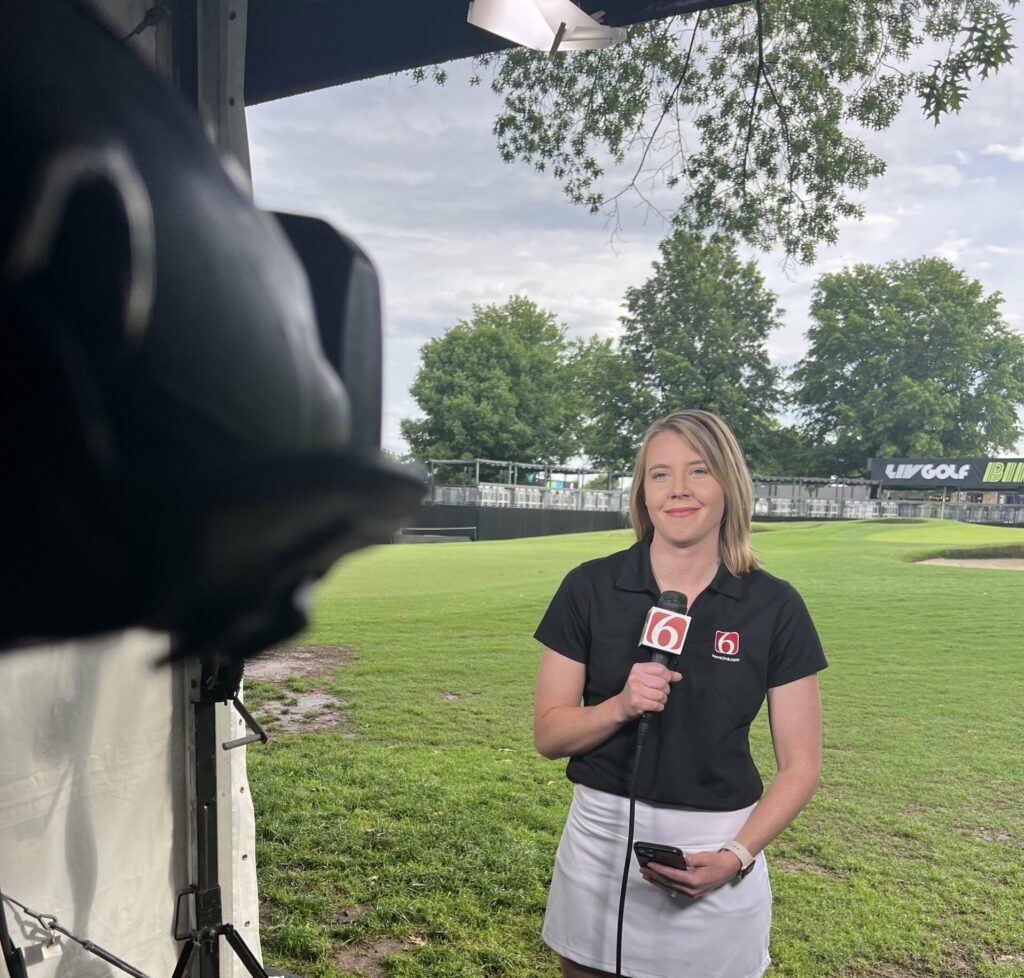
Media interviews often move much faster than people expect. Reporters are listening for concise answers they can quickly shape a story around under tight deadlines.
Long-winded explanations with overly polished responses and corporate language can cause the main point to get lost.
Now that I’ve transitioned from journalism to public relations, I often get asked how to prepare for a media interview. No matter the industry, media training is something I recommend for company spokespeople.
Preparation builds confidence
One of the biggest misconceptions about media training is that preparation makes people sound scripted. In reality, good preparation does the opposite.
The goal is not to memorize perfect answers or recite press releases. It’s to identify your core message and build clear talking points around it. Then, you can stay focused no matter where the conversation goes.
The truth is that even experienced leaders can feel pressure once an interview begins. I’ve seen people completely freeze on camera. Others start over-explaining out of nervousness, causing them to lose sight of the message they wanted to communicate.
Preparation helps when nerves kick in, making it easier to stay authentic and focused instead of overthinking every response.
Pressure moments are not the time to wing it
Media training becomes even more important during high-pressure situations.
Whether it is a public controversy, leadership transition, community concern, or crisis response, credibility is quickly lost if your communication is unclear or inconsistent.
These moments often happen fast, leaving little room to figure things out in real time. Strong messaging can make the difference between building trust and damaging it.
How strong interviews build trust
While high-pressure moments often reveal the importance of media training, everyday media opportunities matter too.
When handled well, media coverage should:
- Build credibility
- Strengthen brand trust
- Support business growth
- Position leaders as experts in their field
There is a level of third-party validation and trust that comes with media coverage, especially when audiences feel like the person on screen is genuine and authentic. How you show up matters just as much as the opportunity itself.
Anyone can land an interview. Making it meaningful is the part that requires strategy. As PR professionals, this is where we come in to guide our clients through the planning and preparation process.
Media training shouldn’t feel intimidating
Good media training should help people feel more confident and prepared in moments that matter.
At Resolute, we approach media training as a practical tool businesses can use to strengthen communication, build trust with their audience, and make the most of important news story opportunities.
At the end of the day, the goal is not perfection. It’s helping your message connect with the people who need to hear it.
